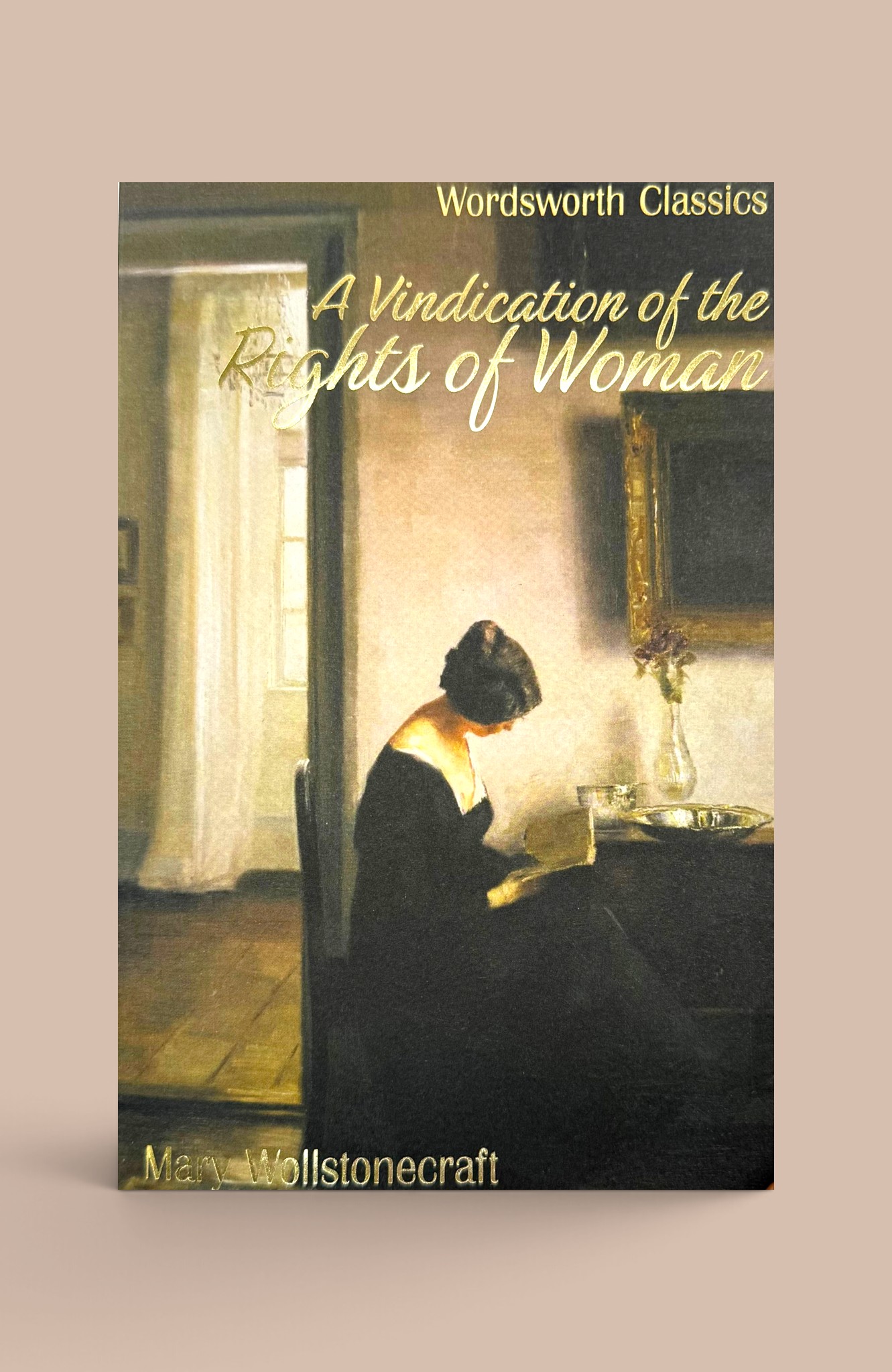
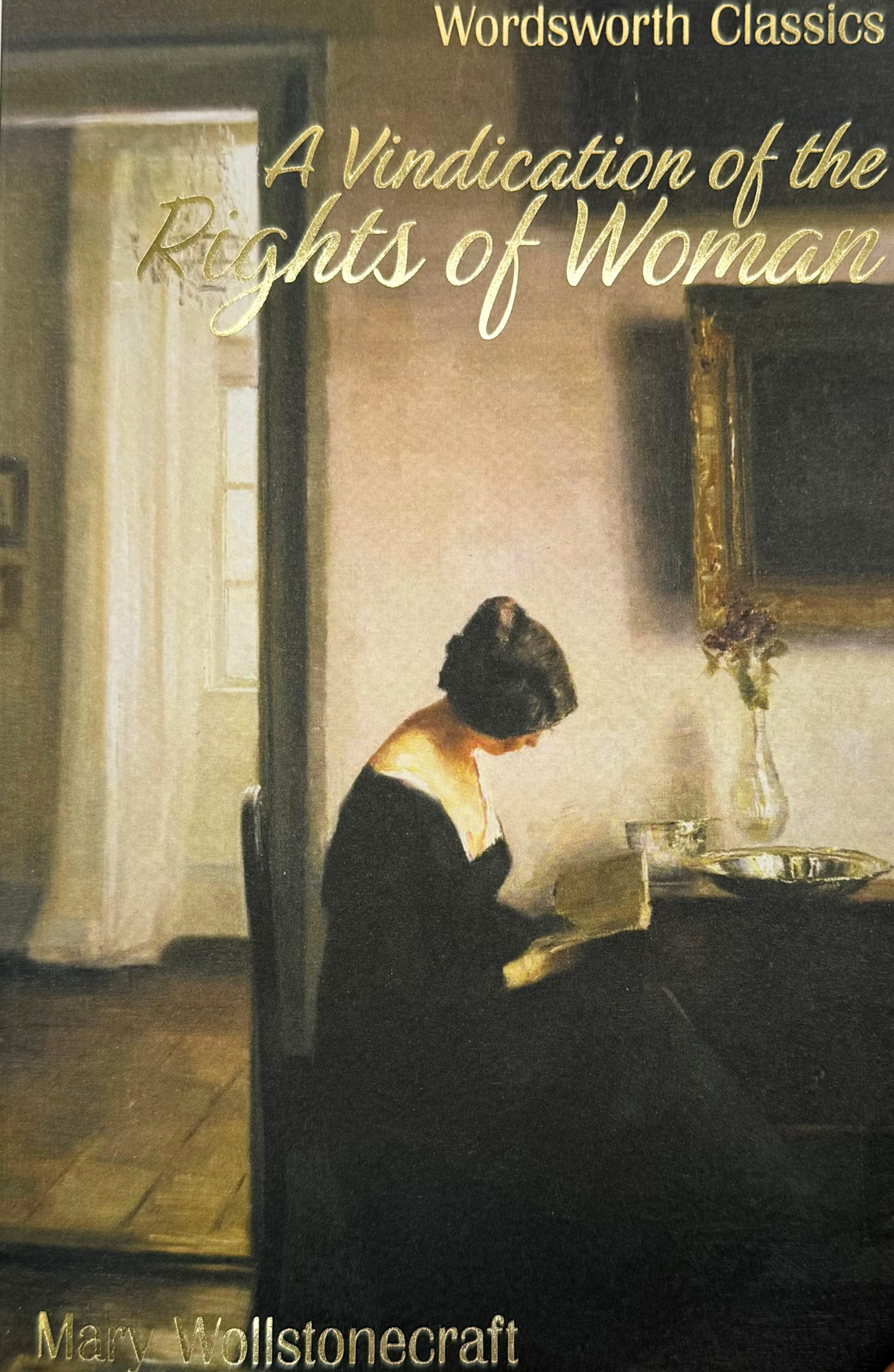
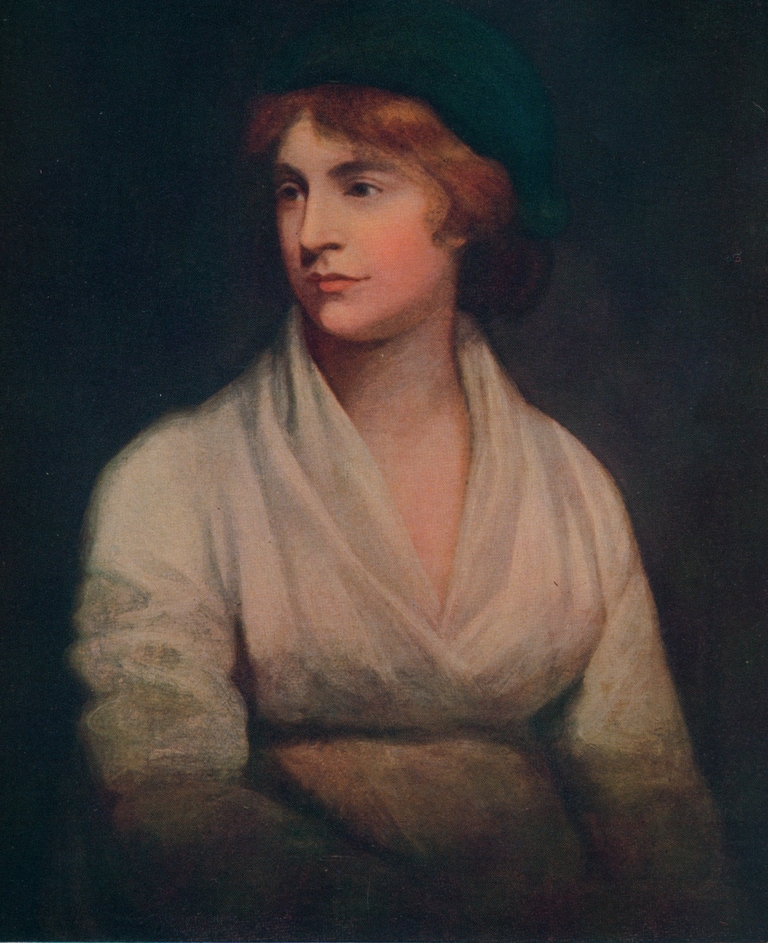
Mary Wollstonecraft (1759-1797) had a short but richly creative and fulfilling life. Her most important work, A Vindication of the Rights of Woman (1792), is a foundational text for feminist thought. Its radical arguments, made through lively examples, would fit straight into current debates on gender.
Though set to paper with a quill pen over two centuries ago, they spring freshly from the page bringing the writer herself alive to us. This is also an important work of The Enlightenment; Wollstonecraft engages with key male thinkers, attacking them with relish. She neatly exposes the hypocrisy of Jean-Jacques Rousseau whose clarion call to freedom applies to men, but not to women.
Wollstonecraft was committed to the values of the French Revolution, and immediately after the success of Rights of Woman, she headed for Paris, a woman alone, to be in the thick of it. Her personal life was likewise revolutionary, casting aside the usual social constraints on women. Her great admirer Virginia Woolf saw her as ‘in revolt all her life – against tyranny, against law, against convention’. Mary Wollstonecraft’s death after childbirth was sadly a conventional one for women of that time; but her intellectual legacy lives on, most notably in A Vindication of the Rights of Woman.